Supporting Local Poets

Support Local Poets.jpg

Due to events being canceled as a result of the Covid-19 virus, many poets have lost opportunities to share their work and be heard. This is particularly unfortunate because many poets rely on these events to help them sell copies of their books and chapbooks. As a result, they are relying on us, the readers, more than ever.

To help support local writers, consider buying copies of their book online, through online bookstores, the author’s own website, or elsewhere.

If you are unable to purchase a copy, or if you already have a copy, there are other ways you can help: write a review of their book, leave a review on the store website (especially Amazon), spread the word about their book to friends and family, or even offer them support through words of encouragement.

Anything that you can do, no matter how small, helps!

Mad Poets Events Canceled Through the End of April

ALL APRIL EVENTS CANCELED

The Mad Poets Society has decided that in addition to the March cancellations, all of our April events are also canceled. We encourage people to follow the advice given by experts to stay safe and healthy during this time. We will continue to offer content through the blog.

Thank you for your patience and support. We hope you stay connected with us and come join us when events restart after April.

Keep writing! We are excited to see what new work you all have to share when we come out on the other side of this

Local Lyrics featuring Courtney Gambrell

Local Lyrics hosted by Amber Renee appears on the 3rd Monday of each month. In it, Amber features the work and musings of a local poet.


Survivor’s Manifesto

Wanderlust Another word for flight risk Meaning I will not stay Where I do not belong

Meaning I was born in one place

& my soul in another Meaning all you gotta do is Make me question everything

all at once

and I’m out!

Let’s call it survival Let’s call it self-care Let’s call this

All in a day’s work Black Woman

Let’s call me Harriet’s granddaughter without The shot gun

II

Let’s consider the reality that I am not a runner Perhaps I am just the one that got away…

I choose to fly like a kite, I learned the difference Between escapism and escape

Fight? Flight? Freeze? or Appease? I chose the option that made me question God less

I swallowed my grief like an afternoon shot of whiskey Once I realized that the sting eventually wears off

You wanna fly? You gotta give up the shit that weighs you down

I suppose this is a poem about the ways that I will fly in the face of adversity and triumph

A poem about how the game Hide and Go Seek Is not just for children

I found myself broken and alone So, I turned the pieces of myself into a beautiful mosaic

See? Sometimes I wish there more was no more air in my lungs But I want someone to witness me for the first time and say

“Damn you can’t ignore that kind of passion” Because, “Damn you can’t ignore this kind of passion!”

Bitch, I will show you a motherfucker with passion But you gotta be willing to look up   

the sun might be in your eyes            

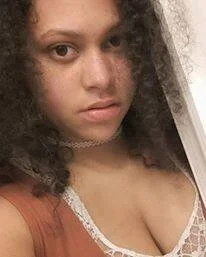
Courtney Gambrell: 

Survivor’s Manifesto is a poem that I enjoyed writing because it was not easy to deliver and similarly, survival is not guaranteed to be an easy task. This poem is a testament to how I have chosen to confront adverse experiences. Survivor’s Manifesto highlights the necessity of finding safety even when getting to those safe places requires movement. With this in mind, I am elated that this poem wanted to honor Harriet Tubman, whose famous last words, “I have come to prepare a place for you,” are a perfect epigraph. (This quote is originally referenced in John 14:3). The magical part about this reality is that Mother Harriet and many ancestors like her have prepared these places for me and they have taught me how to be visible within such places. I am proud of how this poem channels the legacies of black women including Toni Morrison whose character states, “You wanna fly? You gotta give up the shit that weighs you down.” In every way, this poem begs us to acknowledge that survival is radical, necessary and beautiful.


gambrell.jpg

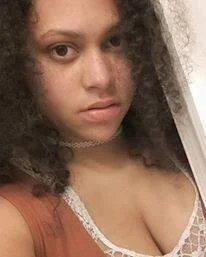
Courtney is a West Philadelphia native who has continued to progress in the art of poetics since 2014. Her poem, "Black Matter," received an Honorable Mention from the Mad Poets Society poetry contest in 2015. As a poet, she is most concerned with self-healing which is her catalyst for writing.  Courtney enjoys the organic nature of sharing experiences with her audience and using her creativity for advocacy.  Her work has appeared in APIARY Magazine, As/Us Journal, For Harriet, Rag Queen Periodical, Whirlwind Magazine and elsewhere.


AMBER RENEE, she/her, 26, writes from her home in suburban Bucks County, Pennsylvania. A fool hopelessly in love with the pursuit of psychic knowledge, she often writes autobiographically; though without sacrificing her distinctive off-rhythm canter. 'Thoughts on This Most Recent Episode' was her 2016 full length collection of self-published poetry ruminating on her thoughts & illnesses. Currently she is working on a musical album of poetry.

Renee.jpg

In Their Words - an Interview with Lisa DeVuono

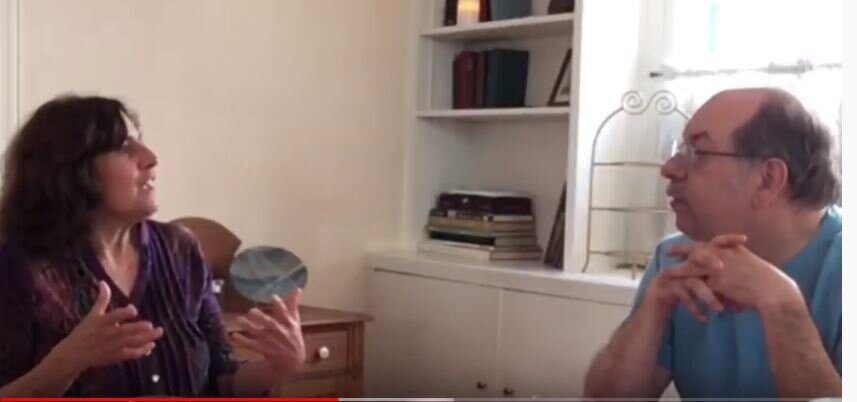
In Their Words is a monthly feature where Steve Delia and Mike Cohen interview poets from the Mad Poets Society and beyond to get their perspective on art, poetry, and life.


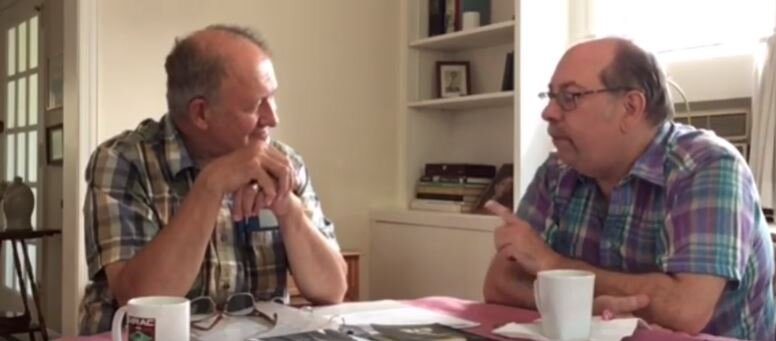
Back in June of 2019, Steve and Mike sat down with Lisa DeVuono to discuss poetry, philosophy, and inspiration. Click picture to see part 2 of that interview.

To see the full interview, visit Mike Cohen’s Youtube channel

 
DeVuono.jpg

Lisa DeVuono (www.lisadevuono.com) is a poet living in the Philadelphia area where she has facilitated creativity and poetry workshops at conferences, retreats, and hospitals. She has also worked with teenagers in recovery, ALS and cancer patients and their families. Her peer-based poetry curriculum “Poetry as a Tool for Recovery” for individuals living with mental health challenges has been implemented through a partner program with the Institute for Poetic Medicine at both Austin and Cleveland Clubhouses. She has produced several multi-media shows incorporating song, music, poetry, and dance.

Her chapbook is entitled “Poems from the Playground of Risk” and she also performs the poetry of Rumi, with musician and songwriter Michael London.


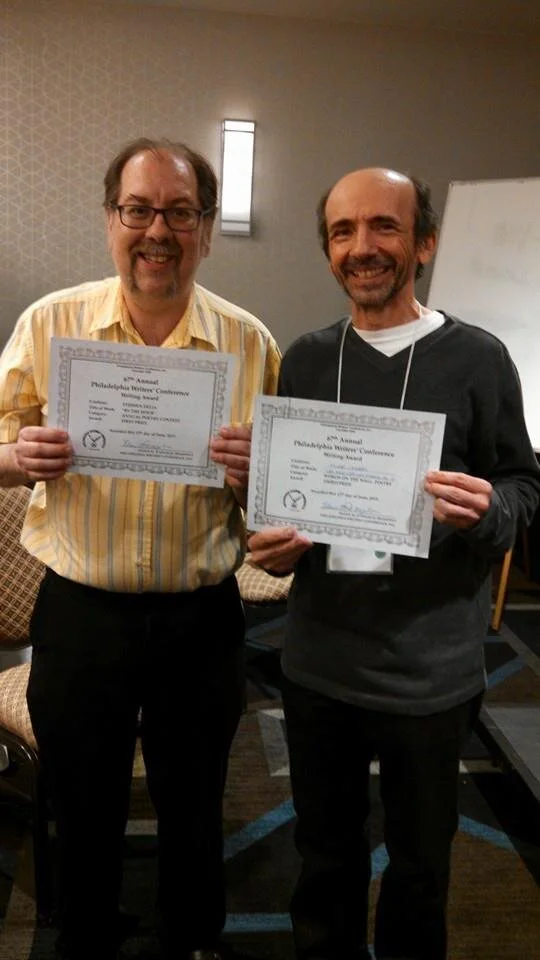
Delia and Cohen.jpg

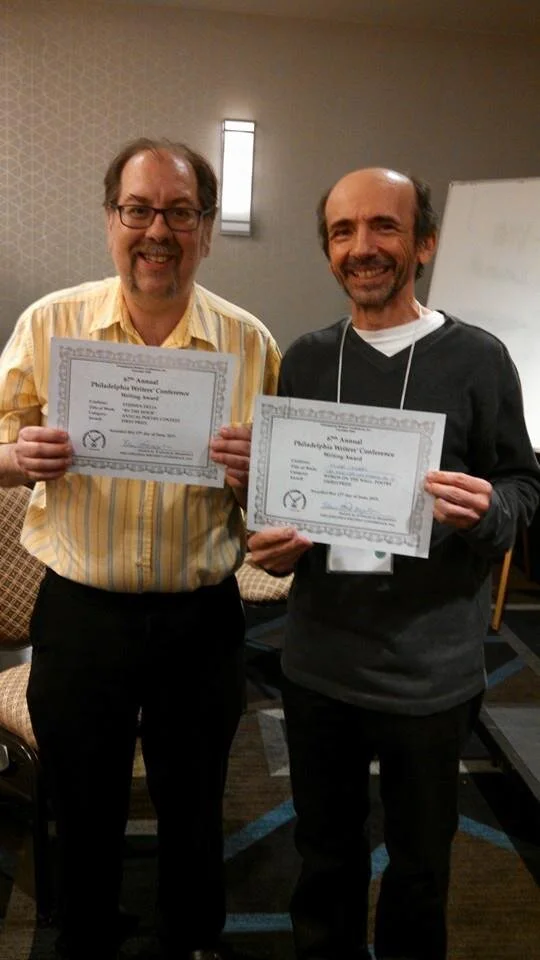
Steve Delia and Mike Cohen have worked collaboratively and independently as poets and supporters of the arts in the Greater Philadelphia area. Mike Cohen helps to run the Poetry Aloud and Alive series at the Big Blue Marble Bookstore, and has had his fingers in many poetic ventures over the years. Steve Delia is the author of 6 chapbooks of poetry, and has read in a variety of venues, including the Philadelphia Writers Conference and on WXPN. Steve and Mike have also appeared throughout the Philadelphia area as the Dueling Poets.

POeT SHOTS - 'The Fly' by Miroslav Holub

POeT SHOTS is a monthly series published on the first Monday of the month. It features work by established writers followed by commentary and insight by Ray Greenblatt

POeT SHOTS #5, Series C

The Fly

She sat on a willow-trunk

watching

part of the battle of Crecy,

the shouts,

the gasps,

the groans,

the tramping and the tumbling.

During the fourteenth charge

of the French cavalry

she mated

with a brown-eyed male fly

from Vadincourt.

She rubbed her legs together

as she sat on a disemboweled horse

meditating

on the immortality of flies.

With relief she alighted

on the blue tongue

of the Duke of Clervaux.

When silence settled

and only the whisper of decay

softly circled the bodies

and only

a few arms and legs

still twitched jerkily under the trees,

she began to lay her eggs

on the single eye

of Johann Uhr,

the Royal Armourer.

And thus it was

that she was eaten by a swift

fleeing

from the fires of Estrees.

It would take a Czech to know European history. And an immunologist to focus on a tiny fly. Striking gruesome humor: “She sat on a disemboweled horse/meditating/on the immortality of flies.” “She alighted/on the blue tongue/of the Duke of Clervaux.” “She began to lay her eggs/on the single eye/of Johann Uhr.”

greenblatt.jpg

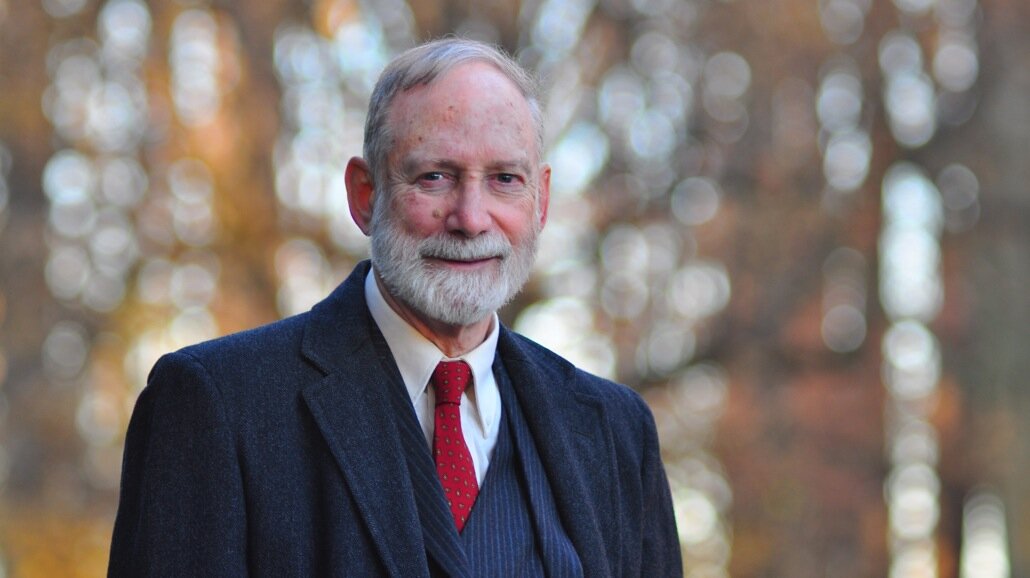
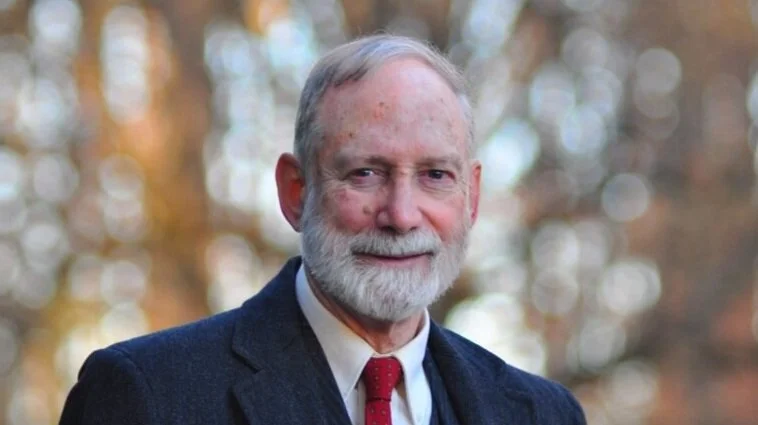
Ray Greenblatt has been a poet for forty years and an English teacher longer than that. He was an editor of General Eclectic, a board member of the Philadelphia Writers Conference, and is presently on the staff of the Schuylkill Valley Journal. He has won the Full Moon Poetry Contest, the Mad Poets Annual Contest, and twice won the Anthony Byrne Annual Contest for Irish Poetry sponsored by The Irish Edition. His poetry has been translated into Gaelic, Polish, Greek and Japanese.

Local Lyrics featuring Stephanie B

Local Lyrics hosted by Amber Renee appears on the 3rd Monday of each month. In it, Amber features the work and musings of a local poet.

Plant Companions and Personal Storytelling
A Poetic Essay by Stephanie B.


What does a relationship with a plant ask one to do?

Slow down

Engage

Dream

Unfold

There are many methods inwards to ignite the recognition of an invitation to work with, care for and be cared for, and learn with a plant. Many use the term “plant ally” to describe the beginnings of a relationship with a plant. I find this useful, but useful in the sense of transmitting information, as the term for me does not describe fully what is happening. Discovering and cultivating a relationship with a plant is an open invitation to connect with the part of ourselves that speaks in Earth's language- metaphor, myth, the sensual, spiritual, intangibly tangible, to name a few. In my practice, I refrain from hoping that a plant will do anything for me, and maintain that what is happening is co-creational and based on a relationship. Getting to know a particular plant and Its spirit is like being with a Friend, and in my feeling, best to go in without expectations.

The method that I am sharing with you today was one that connected me with a lifelong relationship with Flax (Linum usitatissimum translated from the Latin: “the most useful flax” there's enough story in that description of Flax alone, LOL). Some people estimate that Flax has been with People for 40,000 years, so the memories and stories that Flax carries with It span a broad imagination, including pre-agricultural time-markers. Flax's depth and humility resonated with me, and being with Flax this year through the entirety of Its lifecycle, and now into spinning the planting into linen has been incredibly transformative in my feeling and way of being with the World, that I felt inspired to share with you briefly, and only partially, how this happened.

In this current phase of my life, I am in service to Laima, Baltic Goddess of Fate, Midwifery, Weaving, Bathhouses, Linden Trees, Young Mothers, Cuckoo birds. She is from my Father's Ancestral Thread, and brought Flax to Me partially to be liberated from nationalist narratives of identity, and to discover and deepen mySelf as a Weaver.

At this time, much of the lens through which Flax is refracted is from a prism of a relationship with one group of my Ancestors. I am saying this because I can not begin to assume any authority of Flax's whole story, yet I can offer to you what Flax and the Earth of my ancestors has shared with me so far.

This method is experimental, and happening by the seat of my pants starting when transiting Saturn touched my natal Saturn at 0 degrees Capricorn (Tropical) in December 2017 CE. I hope that in sharing, there are some things that resonate with You that help You in making a connection if that is what You wish! If it does not resonate with You, there are many other ways to engage this process. Thank You for reading, and holding space for this method.

If You would like the following blessing, please take it with You.

May the Story of Your life and World unfold, and may the wonder of existence inhabit You fully. And so it is.

Point of Initiation

Point of Entry

-Come upon and draw into the scrying well of a deep question.

Ex.

Was there ever a time in your life where you felt as if you had absolutely no Human relation to turn to, connect with, seek guidance from or counsel with? (This question was my point of initiation; different questions may be different points for different personal storylines)

-Create a circle of safety and reflection for the following exercise.

-Re-member that time. Safely invite the emotions to return, though they may be painful. Let the feelings inhabit you to the point of re-invoking the circumstances in the landscape of Your memories, and if You wish, in Your body. Explore them. Create a landscape in Your imagination where the feelings and memories morph and take form into creatures, into mountains, streams, wells, lava fires, air deities, magical beans, birds, trees, worms, waters, volcanoes, whatever it is that they suddenly seemingly naturally become. Keep this landscape in Your psychic and meditative spaces as a place to return to and work with the Land as a place to return to and interact with as the Story unfolds and develops.

[[[At times, deep pains and pleasures, are points of entry into the liminal spaces that mythology inhabits. Much of society does not recognize these points of contact, and many times, the results are further isolation and alienation. However, in loving kindness to Ourselves, these points of entry can be powerful kilns wherein the magic of the animated world come through to Us to speak. You can even turn this point of entry into an ancient Tree, into a mountain, to travel into the soils and the skies of Your and the World's Soul.

-Invite the guidance and presence of Spirits, Ancestors, Guides. Make a pact that You will be open to receiving communications from them, whenever and however that may be.

-Are there any Deities, Earth energies, Archetypes that preside over the themes with which You were struggling? Any from (one of) Your ancestral thread(s)?

-Journal about these times and begin dialogue. Explore what comes up, especially metaphors, that is things or events that literally happen(ed) that are deeply, synchronistically symbolic.

-(Shortcut) Are there particular Plants associated with these Gods/Goddesses/Deities/Ancestors? Are these Plants the Spirits and Deities Themselves?

-If so, do any of these Plants particularly resonate with You in the very core of Your being?*** (meditate on what the feeling of the very core of Your being is, or reflect on times when It was singing tunes of resonance on high harmonic throttle that You just KNEW something)

-If so, what are the folklores and mythologies, and stories surrounding this Plant? Ask the internet. Ask the library. Ask photo albums. Ask a Garden. Ask Sky. Ask a Seed. Ask Your Friends and Family. Ask Your Ancestors, all of Them. Ask Birds and Soil.

-Go looking for this Plant. Be exhaustive and thorough in Your adventuring. Sometimes, They are in previously unexpected or unseen places and with You all along. If You are positive You can not find it, You may be being asked to come upon the seeds and grow Yourself. Any and all information is relevant, even if at first it may make no sense. In this process, cultivate practices that engage and develop Your intuition. Meditations, dreamwork, journaling, solar plexus, third eye exercises, clearing, cleaning, organizing, to name but a few. You will over time, develop a very unique series of special rituals that are in Your Landscape's Language! Be open to ways in which symbols or events in dreams or meditations come about or spring up in day to day instances, and try to record them as often as possible, whatever Your preferred medium(s) may be. And if not record, acknowledge them when they happen, or when it occurs to you that it may be happening.

-Find a place where You can regularly be with this Plant. Simply be. Each time You visit, bring all of Yourself to the space, wherever and however You may be being. If it is in the wild, visit this place. Observe and speak with the Plant for a whole year, and be with it through all changes of season. Observe Its lifecycle and process of Its story from seed to flower to fruit to seed. If it is a perennial like a tree, listen and watch for how it wakes up and fall back to sleep. Each time You visit, bring with You a gift or offering- an object, another Plant, a tasty treat, a song, a piece of Your hair, (biodegradable) cloth, an intimacy. Get familiar with Plants and Creatures and Spirits sharing in the space, the soil, the light, the weather. Come from the space of Your heart. Interact with each of Your senses during these times. Give Your ears all of Your focus and listen. Give Your touch all of Your focus and listen with Your hands or arm hairs. Give Your eyes all of Your focus and listen to the light and shadow. Give Your nose all of Your focus and listen to the smells. Give Your tongue all of Your focus and listen with Your tastebuds (obligatory precaution: always be sure that whatever You're tasting is ingestible). In developing these listening senses, all sorts of “words” come through. If You already do this, You know what I'm getting at, and if You don't, You will.

If You are growing and stewarding the Plant, do the same, yet visit more often, especially if the Plant is not familiar with the area (in its story with Earth). If You harvest, ask permission first, and offer an exchange. Wait for an answer, sometimes They do say no. When asking permission, it can be done with Your heart or with words, yet let the Plant know so it has time to prepare.

It is also worthwhile to hold constantly in reflection and practice in these processes that We are living on occupied Land during a mass extinction. There is much to hold in One's heart and reflect on and grow with and from. In mindful awareness, please be sure of the status of the Plant, and if endangered, or sacred, do not harvest from the wild, try cultivating it, or receiving Its medicine and wisdom through Its presence alone.

-Save the seeds

-Share the story

The main takeaway that I would like to share with You is that Plants are like People in that while They may have broad personalities like astrological sun signs, every relationship They have is unique. The conversations You will have with the Plant are deeply personal, yet also universal. Your way of being in relationship with Them will bring forth different medicine, healing, storytelling, which adds to the overall tapestry of Its, and Our story.

People may follow the same recipe, using the same cooking implements and ingredients from the same places, but the resultant dishes will be different because of the magic each Person brings to the alchemies of transformation of the food. That is very sacred, and very beautiful to Me, and I feel similar goes with plant relationships. In relationship with Flax, I've learned something incredible about life, resilience, My place in creation, and deepened my love for this planet and the Life that is here. The world is living and speaking and I truly feel it misses Us.


Q&A

1. Your essay touches on some deep topics, with ideas such as universal symbols, meditation, & even spellwork. What's your inspiration for this? Meaning, who or what took your interest to dive down this path?

I would like to thank the bean seeds that kept showing up everywhere in December 2017 CE. When they first started falling on my head and showing up on the ground, they alerted me to a part of life I had been ignoring for a couple of years--- intution, synchronicity and their logic. At that time, I was full on in the humiliating and humbling lesson that I was not checking myself, and consequently, wrecking myself. I felt at the time that everything was falling apart, bit by excruciating bit, and in the collapses, I chose to remember or align with a faith in the Universe that I could participate in and be in relationship with.

The beans helped me recall a time when I worked at an ecovillage in 2015 CE- I got a card reading in a group regarding companion plants and spirituality. I pulled the Bean, whose extolled attributes in that deck were fertility and regeneration.

I didn't think much of it at the time, yet Beans have this means of pollinating themselves before their flowers open, so in a type of essence, Beans will be true to themSelves, which has an interesting "utility" if One wants to save their seeds. I felt they asked me to remember and recreate who I am and step into that ever-shifting process with more awareness of engaging the Self with the understanding of the ebb and flow of relationship. I am myself, sure whatever that means, yet I am also an interplay that is not static or unchanging of everyThing and everyOne I am a part of. So I tried to engage remembering how to play- with myth, story, symbol, relationship, and all manner of experiences broader than what I understood to be myself.

I remembered being "younger" that living time of youth that is alive and ready to visit, before being labelled insane, crazy, random, wild, before any of those terms held a type of relevance in a way of being with Life. I journeyed to what was organically calling my attention- myth, storytelling, magick, Earth, and reconnect with it- humbly, curiously, personally. I made the choice to take the premise of the transit of the Saturn Return as seriously as possible, yet also play.

Since 2010, I've worked with Earth and People in many varieties of context- farming, gardening, activism, herbalism, spirituality, astrology, the occult and esoteric, and felt called to actively combine the experiences and lessons into a lifestyle. I chose a seasonal endeavor that I could channel current observational and relational capacities into and experience what happened. I quit being an alcoholic and substituted the habit with crochet to experiment with untangling the structures of consciousness and experience. What happened in that multidimensional process, I uncovered what originally drew me to relating to Earth and the elements. With crocheting, I wanted to go further, what are seeds and threads and what is that process of spinning thread?

I let go, with an amount of kicking and screaming that is humorous now that I'm here, of semblances of goals and normalcy and followed where current consciousness would allow to go and enrolled in an Intuitive Plant Medicine Course. The course, from Beltane to Summer Solstice, was mostly comprised of exercises to reengage trust with Intuition, and to also develop that trust each and every day. It reminded me that all aspects of experience from dreams to boiling a pot of water have the potential of gravity and relevance with intention, and a dose of skepticism where dogma is concerned.

The results of this piece from an amalgamation of all of those engagements, of being in play with my conceptions of reality, and challenging forms that calcify, and many teachers and relations, soil human bird ancestor wind plant that joined me along the way. Myth and story is not static, and in certains ways, asks for methods of engagement to be with Them, so that They in turn move and breath abd live within and morph living in different contexts. And that to me is relational, so this piece is about how I candidly tried to do that, in hopes that parts of it, or much of it, or some of it, or however whatever of it haha, would engage that sense in someOne who reads, and could be inspired in solidarity to do similarly, however it may be for Them.


2. Can you talk about your thought behind your use of capitalization in this essay? (For example: "mySelf")

i took Reiki II course at the beginning of my attempt to change my relationship with alcohol at Space 2033. The class was great, and fellow practitioner, and Artist on many dimensions, Arazel ( instagram: @thedevaarazel), shared this style of capitalization i used in this piece. Arazel brought to my awareness something profound. it hadn't occured to me how capitalization of addressing pronouns happens. Why does the "I" always get capitalized, and every noun otherwise not? Then i want to digress into the dimension of how the individualistic aspects of largely white western existence make themselves apparent in such subtle, pervasive avenues as to become an ingrained afterthought, yet it's pretty profound by way of what neurons and subtle emotional body picks up on...

In formulating this piece, i wanted to engage the parts and all of ourSelves inherently sacred and address from that space, and the character/personality/side of me that is laima's apprentice inhabits and speaks from this space, though that part of me is still largely unintegrated, so it's obvious where the inconsistencies are where the automatic writing is concerned. Yet i'm stoked to continue with this practice and way of relating with the read-interface word. Much of what i'm familiar regarding performance and words is live and personal, so the aspect of capitalization once the words become solidified on a page or a byte or internet page becomes immediately, to me, impersonal, which has the potential to isolate. I want to speak with the divine in each, "individually", and i'm also curious and passionate about how that "aspect" connects to cosmic and universal experiences, and there are so many ways to play.
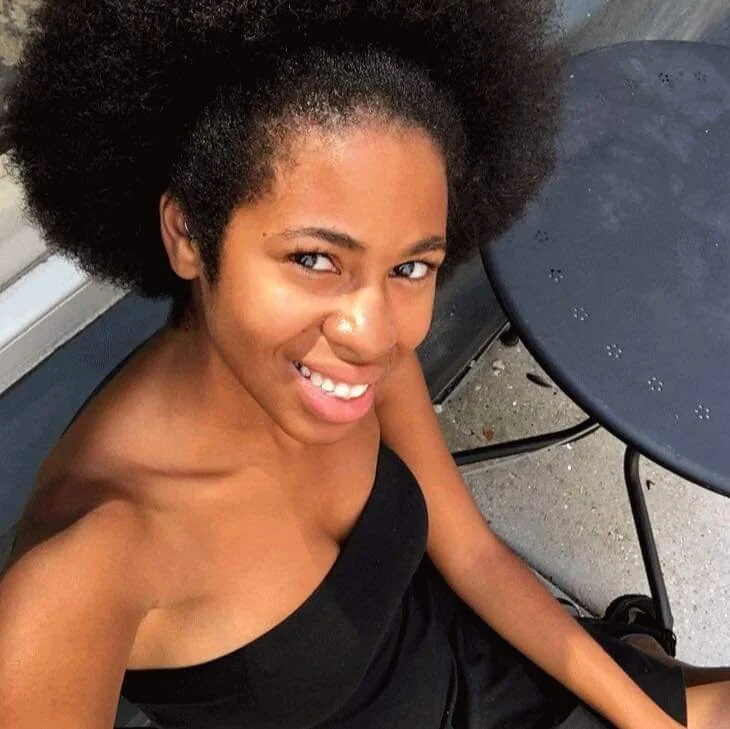
Stephanie B. (she/her) enjoys rain, cooking, warm soil. she bites nails, twirls hair, falls asleep anywhere between 9 p.m. and 5 a.m., and is going to the mountains to grow with chestnut trees. She practices toward, yearns for, and occasionally experiences a world that loves and cares for all of itself-learning more about it with each yea

Stephanie B.JPG

Renee.jpg

AMBER RENEE, she/her, 26, writes from her home in suburban Bucks County, Pennsylvania. A fool hopelessly in love with the pursuit of psychic knowledge, she often writes autobiographically; though without sacrificing her distinctive off-rhythm canter. 'Thoughts on This Most Recent Episode' was her 2016 full length collection of self-published poetry ruminating on her thoughts & illnesses. Currently she is working on a musical album of poetry.

In Their Words - an Interview with Peter Krok

In Their Words is a monthly feature where Steve Delia and Mike Cohen interview poets from the Mad Poets Society and beyond to get their perspective on art, poetry, and life.

On August 29th of 2018, Steve and Mike sat down with the legendary Peter Krok. In this, the first part of the interview, they discuss the enrichment that a poet’s biography can bring when reading their work. Along the way, they reminisce about The North Star Bar, The Painted Bride, and the evolution of the Schuylkill Valley Journal. Click the picture to see Part 1.

For the full interview, go to Mike Cohen’s YouTube channel.

krok.jpg

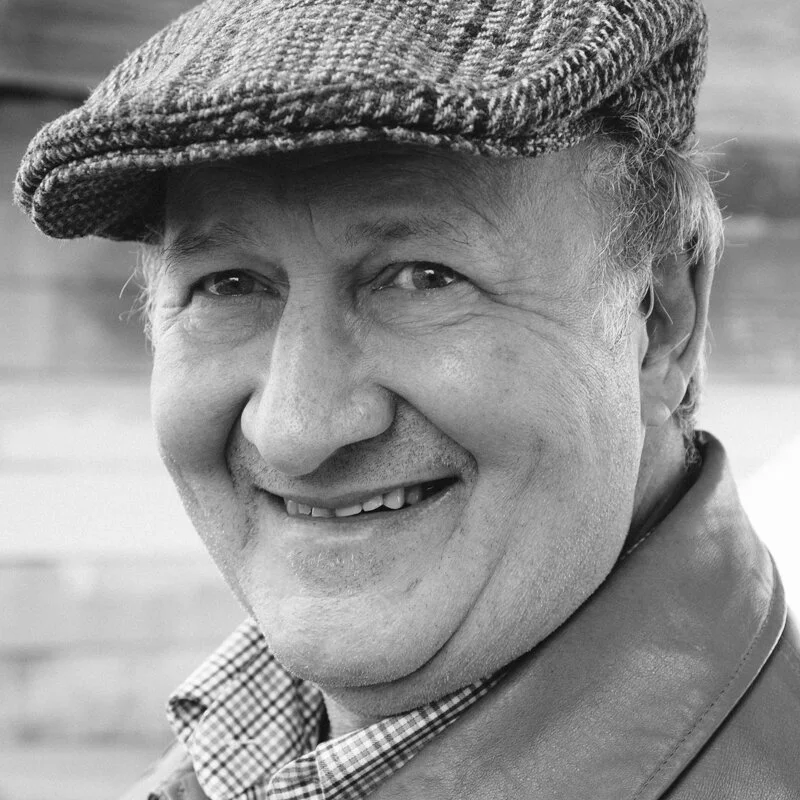
Peter Krok has been the Editor-in-Chief of the Schuylkill Valley Journal since 2001. The journal was founded in 1990. He also serves as the humanities/poetry director of the Manayunk Roxborough Art Center where he has coordinated a literary series since 1990. Because of his identification with row house and red brick Philadelphia, he is often referred to as “the red brick poet.” His poems have appeared in the Yearbook of American Poetry, America, Mid-America Poetry Review, Midwest Quarterly, Poet Lore, Potomac Review, Blue Unicorn and numerous other print and online journals. In 2005 his poem “10 PM At a Philadelphia Recreation Center” was included in Common Wealth: Contemporary Poets on Pennsylvania (published by Penn State University).  His book, Looking For An Eye, was published by Foothills Press in 2008.


Delia and Cohen.jpg

Steve Delia and Mike Cohen have worked collaboratively and independently as poets and supporters of the arts in the Greater Philadelphia area. Mike Cohen helps to run the Poetry Aloud and Alive series at the Big Blue Marble Bookstore, and has had his fingers in many poetic ventures over the years. Steve Delia is the author of 6 chapbooks of poetry, and has read in a variety of venues, including the Philadelphia Writers Conference and on WXPN. Steve and Mike have also appeared throughout the Philadelphia area as the Dueling Poets.

POeT SHOTS - Black and White Photograph by Joseph Cilluffo

POeT SHOTS is a monthly series published on the first Monday of the month. It features work by established writers followed by commentary and insight by Ray Greenblatt

POeT SHOTS #4, Series C

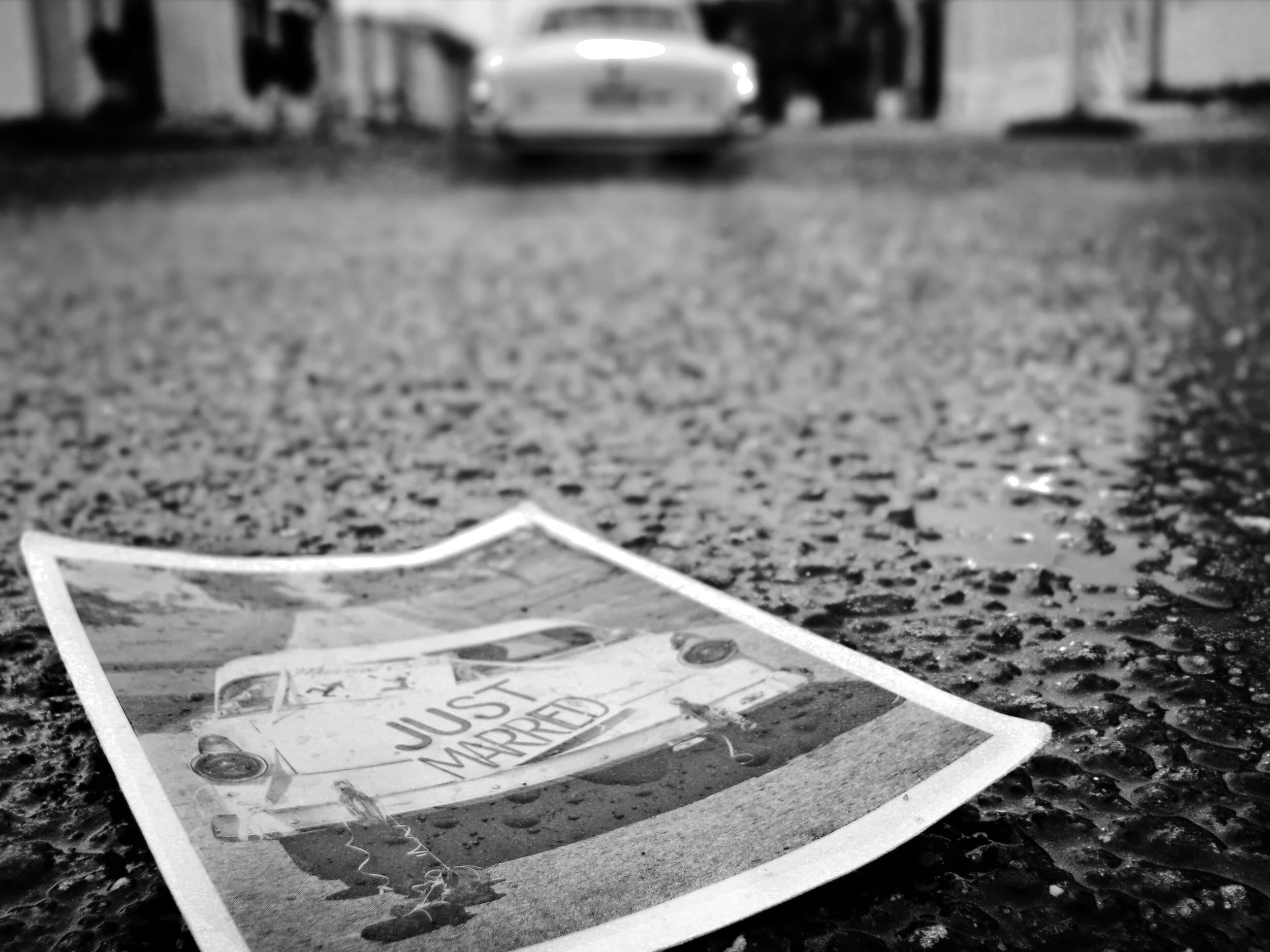
BLACK AND WHITE PHOTOGRAPH

                                                                                                                     by Joseph Cilluffo


It is 1967 and my parents
—though they are not yet my parents—
stand straight but arm in arm for the photograph.
In it, his army green uniform is grey
the medals, dulled to pewter on his chest.
But her dress—bright sun
at the center of the image,
perhaps the only thing
the black and white captures
as it truly had been that day—
is crenellated and crisp,
an oyster shell
over her pearl white body beneath,
the treasure trembling as it waits
to be found.

Years later the doctors will confess
politely apologetic, how little they understand
—forgive me, father, these sins
of omission—they will explain
with an observer’s detachment
that her brain was always predisposed
to the Parkinson's ,and they’re sorry
but they just don’t know
what the exact trigger was.

But on this day, none of that
has happened, yet, though I search
the photograph—a magnifying glass,
its worn wooden handle smoother
and thinner than when it was new,
brings everything closer for inspection.
I look  for clues among the image’s imperfections,
a historian poring over the record,
the dog-eared creases blown up for my eye
into canyons carved
across the photography of her body,
bubbles in the silvered paper
disrupting thoughts.

But I find no hint in her green eyes
(brushed to black by the photograph)
nothing in her form as she cleaves to him
—her dress, his uniform
the dawn rising glorious from the land—
except perhaps in the corner of the image,
slightly out of focus

where the glasses used to toast the newlyweds
stand emptied already, forgotten
on the table behind them,
legs of wine left behind inside each glass.
The toast has already been given,
best wishes of those assembled bestowed.
The celebration, almost over
and only the hard act of living still ahead.

Photos preserve the past but can also forecast the future. The bride is the center of this poem: “bright sun”, “crenellated and crisp”, “pearl white body”, “the treasure trembling.” Time goes so fast that our lives can barely keep up: “Glasses…stand emptied, forgotten…The toast has already been given, best wishes of those assembled bestowed.”

greenblatt.jpeg

Ray Greenblatt has been a poet for forty years and an English teacher longer than that. He was an editor of General Eclectic, a board member of the Philadelphia Writers Conference, and is presently on the staff of the Schuylkill Valley Journal. He has won the Full Moon Poetry Contest, the Mad Poets Annual Contest, and twice won the Anthony Byrne Annual Contest for Irish Poetry sponsored by The Irish Edition. His poetry has been translated into Gaelic, Polish, Greek and Japanese.

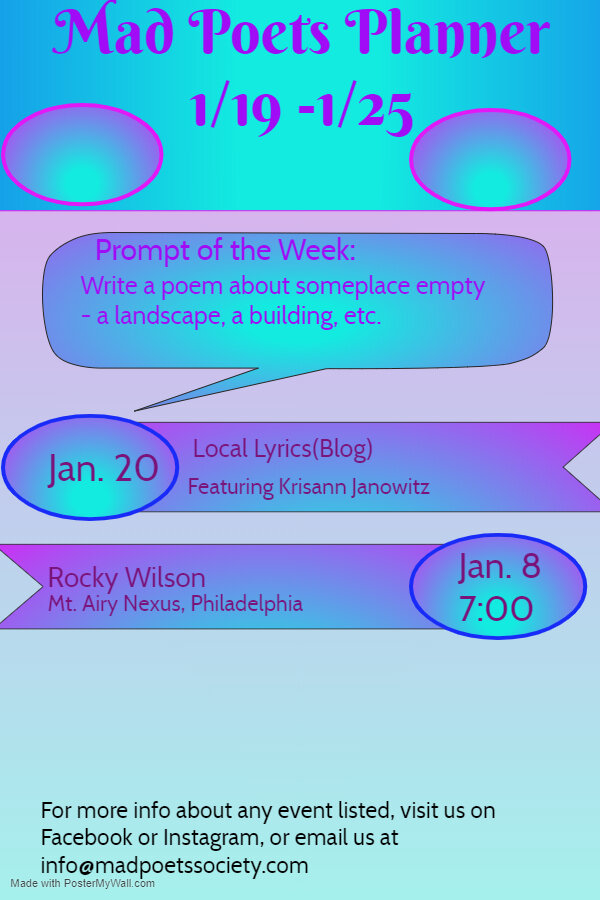
Local Lyrics featuring Krisann Janowitz

Local Lyrics hosted by Amber Renee appears on the 3rd Monday of each month. In it, Amber features the work and musings of a local poet.


“When numbing out with “Netflix and chill” is our go-to as a society, we need poetry to make us feel real again.”

Krisann Janowitz

janowitz 1.jpg

What a hypocrite.

Overwhelmed by the tunnels from Suburban to City Hall station --

I shuffle quickly.

Head down, feet moving -- 

I notice the masses of heartache.

Laying, nodding, begging --

everyone chooses their own

activity in their crevice

of concrete.

Who knows their story,

their pain, the reasoning

that brought them to call

this home, for today.

I can't predict their 

tomorrows, but I'm scared 

to find out, afraid

to linger too long w/ nothing

in my hands to offer.

(If I even had one piece of 

fruit, how would I choose who

to give it too? How would the others feel?

It's just too much to inhale;

so I choose to hold my breath instead, and walk on.)

I want to care, but I'm afraid

to care too much -- or maybe,

I already do.

Q and A

Give us one poet you'd want to sit and talk to.

The first poet that comes to mind is Sylvia Plath. Her work is so hauntingly beautiful and truly real — I would love to just sit with her and talk inspiration and duende. Ever since I learned about duende, life just make so much sense, I wonder if Plath knew about duende and how it may have changed the path for her. For those of you who don’t know, duende is similar to the idea we have of  “getting inspiration from the muse” but it’s very different in that duende shows us the murky humanity underpinning everything we do. The father of duende, Federico García Lorca, described duende as “the mystery, the roots fastened in the mire that we all know and all ignore.” I would say that much of my work comes from that place and I wonder how much of Plath’s work did too. 

Tell us about how other forms of art (music, painting) influence your work.

Painting is another activity I enjoy dabbling in. So, I have written a poem inspired by a painting/mixed media piece that I created. But that doesn't happen often. More common in my poems are for them to be inspired by music, spoken word artists, and other poet's work. In one of my poetry classes while in the St Joseph's master's in Writing Studies program, Dr. April Lindner had us reading works like Citizen by Claudia Rankine, Night Sky with Exit Wounds by Vietnamese-American poet Ocean Vuong, and Denise Levertov' s poetry. Our assignments were then to write a poem inspired by the corresponding poet's work. That exercise really opened my mind to the reality that a lot of art is inspired by art, it just makes sense. If we count Mother Nature's masterpieces, then most art is inspired by other art. It's the natural cycle of art. 

Your collection of poems is entitled 'Homeless' and it addresses the issue of homelessness from several different perspectives. Could you talk a little about what inspired you to focus your collection on this topic?

I’ve always cared about what many call “the downtrodden.” I grew up volunteering as a teenager at missions around the city that temporarily house many homeless (and non-homeless) people who are on track to overcome their addictions and elevate their future. I always thought it was so beautiful that these people have been given the opportunity to pivot the direction of their lives and that they were honest enough with themselves to know that they needed to do so. Let’s just say, conversations were always amazing and definitely impacted my thinking. 

Then around 2011–12, I began hanging out with homeless people in Bucks County through Project Home and monthly community dinners. It was amazing because I would meet people living in a tent city on the grounds of the Bucks County Hospital, invite them to the community dinners, and see them happy communing with their neighbors (both those with and without homes), and we all became friends! More and more, I saw that homeless people whom many write off as “vagrants” or “all drug addicts” are really just people like you and me. That then became my mission to write poems inspired by people I have interacted with in both the present and past in order to show the humanity of us all. People with homes and those who have (or choose) to live in tent cities — we are all just humans and should see each other as such. That is one idea I want people who read the collection to come away with. 

But the poem above is not from your collection?

No. The poem I included is the one I wrote after my homeless collection was published, while still on the same topic. It more explores the relationship between Philadelphians and their homeless population, which is also a major theme throughout my chapbook published by Moonstone Press.

Where do you think poetry fits into our world?

I believe that poetry is all around us. First and foremost, poetry is expressed emotions. Traditionally, we think of poetry as emotions with words and use of figurative language, but I think poetry is more expansive than that. Poetry is anything that moves us to feel emotion. That’s why spoken word is poetry and music is poetry, as well as other forms of art, beautiful interactions between two human beings, and great buildings that force you to feel humility— that’s all poetry in my book. I think as times get harder globally, as climate change is unpredictable and mass murders occur way too often, we need moments of poetry to shake us up. When numbing out with “Netflix and chill” is our go-to as a society, we need poetry to make us feel real again.

Full disclosure: how many poems have you written about Kesha?

Technically, I’ve written two poems about Kesha, but her spirit influences a lot of my work. I feel like we all have those couple people whose existence just inspires us and we feel a special connection. That is how I feel about Kesha. She has inspired so many of my poems because she inspires me everyday. 

Krisann-Janowitz.jpg

Krisann Janowitz has always had a passion for poetry and words (elementary school-- if you count all the song lyrics about bubblegum). This passion has led her to graduate with her MA in Writing Studies from St. Joseph’s University in 2017. While there, she enjoyed being the Editor-in-Chief for her program's literary magazine, The Avenue. Among others, her poems have been published by streetcake magazine, Cliterature journal, and Z Publishing. Along with her chapbook Home(less): A Sampling of Poems on Home & Homelessness published by Moonstone Press, Krisann is honored to be the host of Moonstone’s New Voices, a monthly reading series. In her free time, she enjoys romping about in parks and skateparks with her burly husband and spunky Shih Tzu. You can find her on Instagram: @lovinlifewithsass


Renee.jpg

AMBER RENEE, she/her, 26, writes from her home in suburban Bucks County, Pennsylvania. A fool hopelessly in love with the pursuit of psychic knowledge, she often writes autobiographically; though without sacrificing her distinctive off-rhythm canter. 'Thoughts on This Most Recent Episode' was her 2016 full length collection of self-published poetry ruminating on her thoughts & illnesses. Currently she is working on a musical album of poetry.

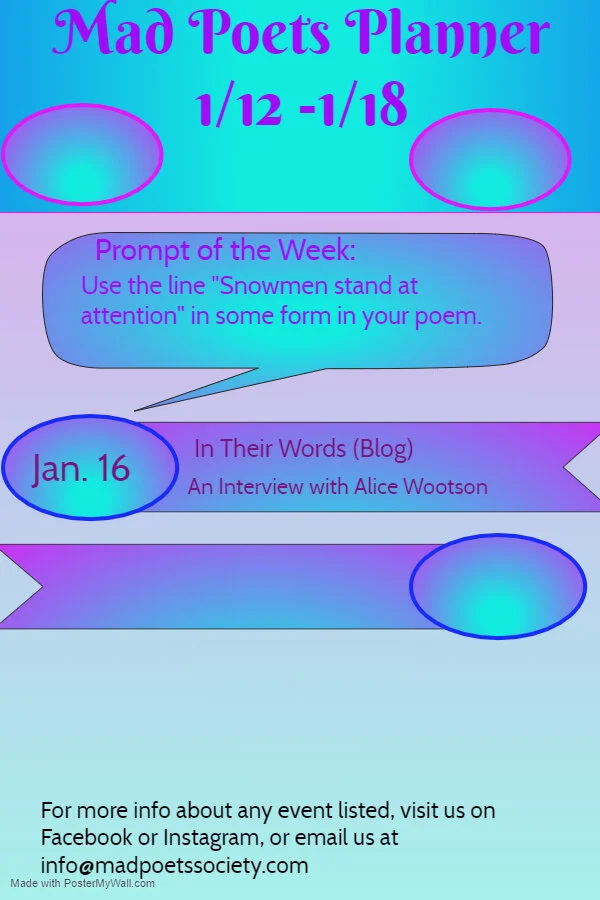
In Their Words - an Interview with Alice Wootson

In Their Words is a monthly feature where Steve Delia and Mike Cohen interview poets from the Mad Poets Society and beyond to get their perspective on art, poetry, and life.

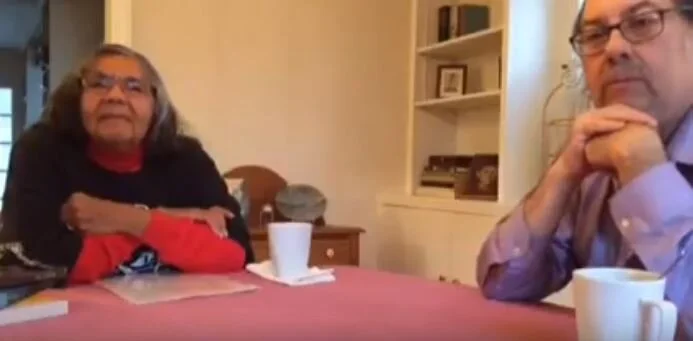
A few years ago, Mike and Steve sat down with poet and novelist Alice Wootson to discuss romance novels, poetry, and much more.

Click the picture to watch the first part of their interview. To view the full interview visit Mike Cohen’s YouTube channel. Thanks for watching!

Alice Greenhowe Wootson is a retired teacher and award-winning author of thirteen published novels. She is also a prize-winning poet. She’s a member of the Mad Poets Society, Romance Writers of America and The Authors Guild.

After reading many novels for years, Alice decided to try her hand at writing one. The result was her first novel, a romance. Why write romance novels? Because she likes happy endings. ‘Snowbound with Love’ was that novel. It received many positive reviews. She still receives positive comments about it from readers.

Her last three novels are romantic suspense. Two of them, ‘Border Love’ and ‘Border Danger’, are inspirational romantic suspense novels featuring Border Patrol Agents stationed in Brownsville, Texas on the Texas/Mexican Border. Alice’s fourteenth book, ‘Love Thine Enemy’, is an historical suspense novel set at the height of the Civil War. It is the story of Faith who escapes from slavery and heads north. The release date has not been announced yet.

Alice teaches writing workshops concerning various aspects of the writing process and has presented workshops for The Philadelphia Writers Conference, chapters of Romance Writers of America, The Learning Tree, Abington YMCA, a Wildwood, NJ writing conference and library branches in the Philadelphia and Pittsburgh areas.

Alice is a member of several ministries at her church: Enon Tabernacle Baptist Church in Philadelphia.

She uses any spare time she can find reading, traveling and spending time with her husband, her sons and grandchildren. She is always working on her latest novel.

Delia and Cohen.jpg

Steve Delia and Mike Cohen have worked collaboratively and independently as poets and supporters of the arts in the Greater Philadelphia area. Mike Cohen helps to run the Poetry Aloud and Alive series at the Big Blue Marble Bookstore, and has had his fingers in many poetic ventures over the years. Steve Delia is the author of 6 chapbooks of poetry, and has read in a variety of venues, including the Philadelphia Writers Conference and on WXPN. Steve and Mike have also appeared throughout the Philadelphia area as the Dueling Poets.

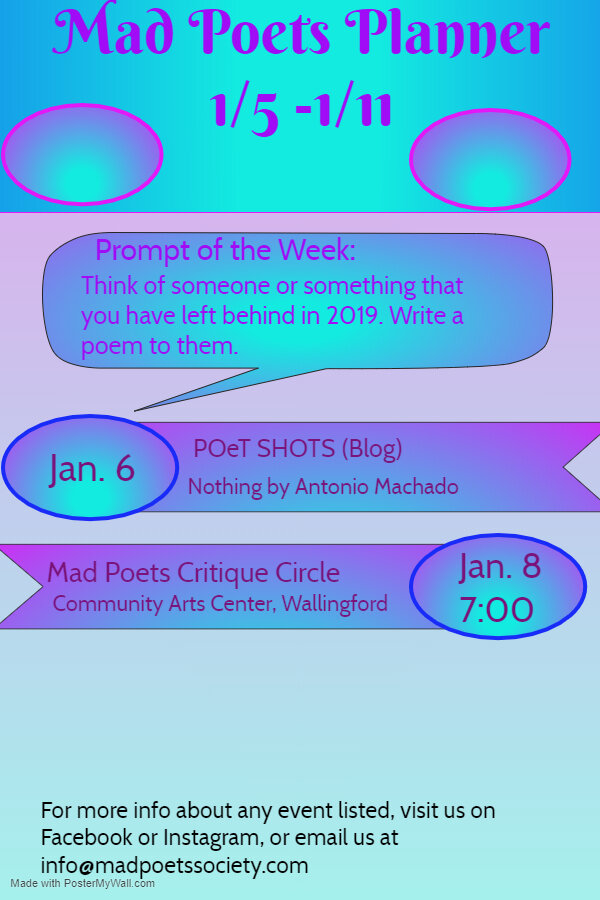
POeT SHOTS - Nothing by Antonio Machado

POeT SHOTS is a monthly feature published on the first Monday of the month. It features work by established writers followed by commentary and insight by Ray Greenblatt

POeT SHOTS #3, Series C

NOTHING

So is this magic place to die with us?

I mean that world where memory still holds

the breath of your early life:

the white shadow of first love,

the voice that rose and fell

with your own heart

the hand you’d dreamed of closing in your own . . .

all those beloved burning things

that dawned on us,

lit up the inner sky?

Is this the whole world to vanish when we die,

this life that we made new in our own fashion?

Have the crucibles and anvils of the soul

been working for the dust and the wind?

Remember this is a translation from the Spanish, so the English can only interpret. A new sonnet form? One extended theme. A bleak one at that, or does it suggest that it is enough to have the joy of love—“the white shadow of first love” and “all those beloved burning things" —when we are living, no matter what happens afterwards!

greenblatt.jpg

Ray Greenblatt has been a poet for forty years and an English teacher longer than that. He was an editor of General Eclectic, a board member of the Philadelphia Writers Conference, and is presently on the staff of the Schuylkill Valley Journal. He has won the Full Moon Poetry Contest, the Mad Poets Annual Contest, and twice won the Anthony Byrne Annual Contest for Irish Poetry sponsored by The Irish Edition. His poetry has been translated into Gaelic, Polish, Greek and Japanese.

Local Lyrics featuring Chris Kaiser

Local Lyrics hosted by Amber Renee appears on the 3rd Monday of each month. In it, Amber features the work and musings of a local poet.

Teacher

By Chris Kaiser

With a grizzled face and flat feet, you punctured my world.

We sipped brandy on your back porch while cursing the Zodiac for its capricious whims.

We punctuated our speech with peerless precision until our brains bled like hemorrhagic suns.

That day, when our brains splattered on the walls and ceilings and down our faces, I watered the garden with my tears.

I wept for my family, yet cocooned, and for yours, long gone.

The horizon floated for hundreds of miles in each direction.

Our feet sparkled as if they got tangled in the live wire that connected the somnambulant community.

You saw my future but couldn't heal the rift.

The knife drawer hung open like the lips of a pubescent boy eyeing cleavage.

We might have had too much to drink that night, or maybe just enough.

You said my virgin birth was a memorable phenomenon, especially when the torrent of dead leaves funneled into a dry rage.

Gravity and history were the only two things keeping me down.

You taught me well, but it was time to move on.

I sliced off your face and planted it in the garden next to the Buddha.

It was like being beaten to death with my own dream.

Kaiser pic.jpg

Q and A

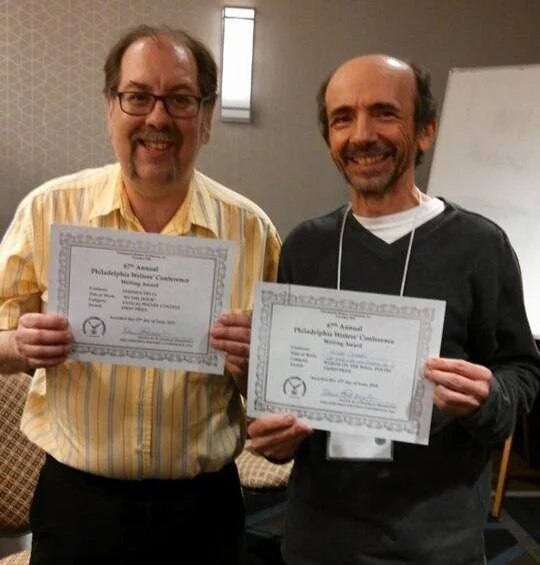
Give us 1 poet you'd want to sit and talk to.

Shakespeare. I don’t believe the mostly illiterate man from Stratford wrote the Shakespeare canon. My research suggests the poet was Edward de Vere, the 17th Earl of Oxford. His biography fits nicely into the events of the plays and sonnets. I remember as an undergrad asking a teacher the meaning of something in a Shakespeare play. She said, “We don’t know. There are lots of things we don’t know about the plays.” I remember being flabbergasted because I just felt that the poet bled his life all over the page, that his plays and poems were directly related to his life experiences. But the academic thinking is that Shakespeare wrote most of his stuff as literary exercises, not necessarily as biographical minutia. I don’t accept that line of reasoning. Right now there is no smoking gun that proves or disproves Shakespeare authorship. The case for de Vere is circumstantial, but the accumulation of evidence is overwhelming from my perspective. So I’d really like to sit and talk with Edward de Vere to hear his story. I feel for any artist who was essentially divorced from his work and erased from history.

Philosophy has a big impact on your work. Are there any specific philosophies or philosophers that inspire your work more than others?

I like the existentialists and the absurdists. Nietzsche, Camus and Sartre are the three biggest influences on my thinking, although Nietzsche really is in a separate category. I’ve always been an atheist, but the belief in a higher power (and thus in meaning) has become even more absurd as I age and experience the injustices and indignities of living. I like to think we are better human beings when we recognize the brutality of nature and accept our role in the community to soften those harsh effects. I like to think that art and poetry can make personal what is in effect highly impersonal.

What about theater? You have a background in theater. Does that affect your work in any way?

I like to tell a story, and I like using dialogue, or at least thinking in dialogue. Often my poetry is like putting together a puzzle, much like directing a play. I have various different parts of a poem scattered about and I have to bring them all together in a way that makes sense. Writing a poem often seems like a hopeless enterprise until I rearrange the various pieces in a way that makes sense. I remember many plays that just seemed like we weren’t going to open, but something magical happens at the last second and it all comes together. My writing seems to mimic that process.
A lot of your work is darkly funny. How important is comedy to you as a writer?

I wish I was funnier than I am. I love to laugh and make people laugh, but my sense of humor doesn’t always come through in my poetry. Probably hanging out too much with Nietzsche, Camus and Sartre.

Where do you think poetry fits into our world?

I wish the reach of poetry were more pervasive than it is in today’s world. It seems that poet laureates are more symbolic than anything else. I think many excellent writers move into TV and movies. When I’m watching a really good TV show or movie, I often hear poetry in the dialogue or monologues. Two recent examples include season one of True Detective and season two of Mr. Robot. There was some stunning writing in those two series. Also, the reach of theatre has diminished as TV and movies have risen in popularity. But there are some playwrights who write beautiful poetic dialogue, such as Sam Shepard, Shakespeare, Tom Stoppard, and Tony Kushner. I often wonder why I write poetry because of its limited effect in our society. But I continue to write because when you hit the mark, it’s a beautiful thing.

If someone was coming out to hear you read, what is one thing you would want them to know about you?

My poetry isn’t always accessible. It doesn’t always follow a traditional narrative form. So be prepared to crease your eyebrows and tilt your head in bewilderment

Kaiser+pic+2.jpg

Chris Kaiser’s poetry is featured in Action Moves People United, a music and spoken word album in partnership with the United Nations. The Sebastopol Center for the Arts in California also awarded him a prize for erotic writing. He is retired from medical writing and has won several awards in journalism. He has written, directed, and performed for the stage. He lives in the suburbs of Philadelphia, PA, USA.

Renee.jpg

AMBER RENEE, she/her, 26, writes from her home in suburban Bucks County, Pennsylvania. A fool hopelessly in love with the pursuit of psychic knowledge, she often writes autobiographically; though without sacrificing her distinctive off-rhythm canter. 'Thoughts on This Most Recent Episode' was her 2016 full length collection of self-published poetry ruminating on her thoughts & illnesses. Currently she is working on a musical album of poetry.

In Their Words - an Interview with Sibelan Forrester

In Their Words is a monthly feature where Steve Delia and Mike Cohen interview poets from the Mad Poets Society and beyond to get their perspective on art, life and poetry.

ForresterFall2019+2.jpg

On July 25th, 2019 Steve and Mike sat down with poet, dancer, singer, and professor of Russian literature Sibelan Forrester. In the first part of the interview, Sibelan talks about the influence of Russian poetry on her own work, as well as the importance of desire and honesty in writing.

Click here to see Part 1 of the interview. For the full interview in 4 parts, visit Mike Cohen’s Youtube channel.

Sibelan Forrester is a poet and translator who has published renditions of fiction, poetry, scholarly prose and songs from Croatian, Russian and Serbian. She hosts the Mad Poets Society's First Wednesday reading series at the Community Arts Center in Wallingford, PA. Her book, /Second-Hand Fates/, was published in 2016. In her day job she is professor of Russian language and literature at Swarthmore College.

Delia+and+Cohen.jpg

Steve Delia and Mike Cohen have worked collaboratively and independently as poets and supporters of the arts in the Greater Philadelphia area. Mike Cohen helps to run the Poetry Aloud and Alive series at the Big Blue Marble Bookstore, and has had his fingers in many poetic ventures over the years. Steve Delia is the author of 6 chapbooks of poetry, and has read in a variety of venues, including the Philadelphia Writers Conference and on WXPN. Steve and Mike have also appeared throughout the Philadelphia area as the Dueling Poets.